Meaningful innovation faces meaningful scrutiny. Prepare well.
Concept Prototyping in Practice
See concept prototyping in practice across proposal readiness, faculty development, NSF CAREER, SBIR/STTR, Red Team review, innovation challenges, and capability discovery.
These demonstrations show how challenge framing, guided development, and comparative evaluation can work together across research funding, investment, mission-driven, and technical decision environments. These are illustrative configurations, not fixed templates. Organizations can design their own problems, evaluation criteria, rubrics, and Challenges to reflect their specific objectives and decision contexts.
Development Examples: Stakeholder-Issued Challenges and Problem-Finding
These example environments demonstrate how partnered innovation supports both those who define problems and solicitations, and those that are working to prepare an idea to respond to a challenge or opportunity.
The first demonstration, "Design", begins with targeted challenge design, guiding stakeholders to define stable problems, clarify context, and shape evaluative intent. This process helps establish stronger targets and better anticipate likely solution trajectories before responders enter the workflow.
The remaining demonstrations, "Challenge", use preconfigured environments where problem framing, evaluation structure, and contextual guidance have already been established. Responders experience guided development while illustrative outputs, "Signal" and "Scorecard", from both responder and stakeholder perspectives demonstrate how shared evaluative context can support stronger preparation, clearer alignment, and more informed prioritization based on readiness, technical rigor, alignment, and overall quality.
All outputs shown here are automatically generated using illustrative samples from our library. Click on "Challenge" to explore the guided workflow directly.
Note: With the exception of the NSF CAREER coaching example, these scenarios are illustrative demonstrations adapted from publicly available sources and generalized evaluative environments. They do not represent active funding opportunities, official organizational solicitations, or live review programs.
How do we Shape Opportunity?
Innovation centers need forward-looking insight into ideas and capabilities emerging across distributed ecosystems—not only backward-looking databases of past awards and activity. Structured discovery helps surface emerging signals across institutions, regions, and networks as opportunities take shape.
Innovation Ecosystem Design
Challenges supporting intentional design that helps teams shape stronger opportunities and signal.

Challenge design supporting ecosystem goals, stakeholder priorities, and context-aware guidance connecting stakeholder intent with downstream development.
Longitudinal ecosystem outputs supporting participant growth, cohort development, readiness trends, and innovation trajectories.
Open Innovation Discovery Challenge
Challenges supporting intentional problem design, ecosystem development, and discovery of promising opportunities.
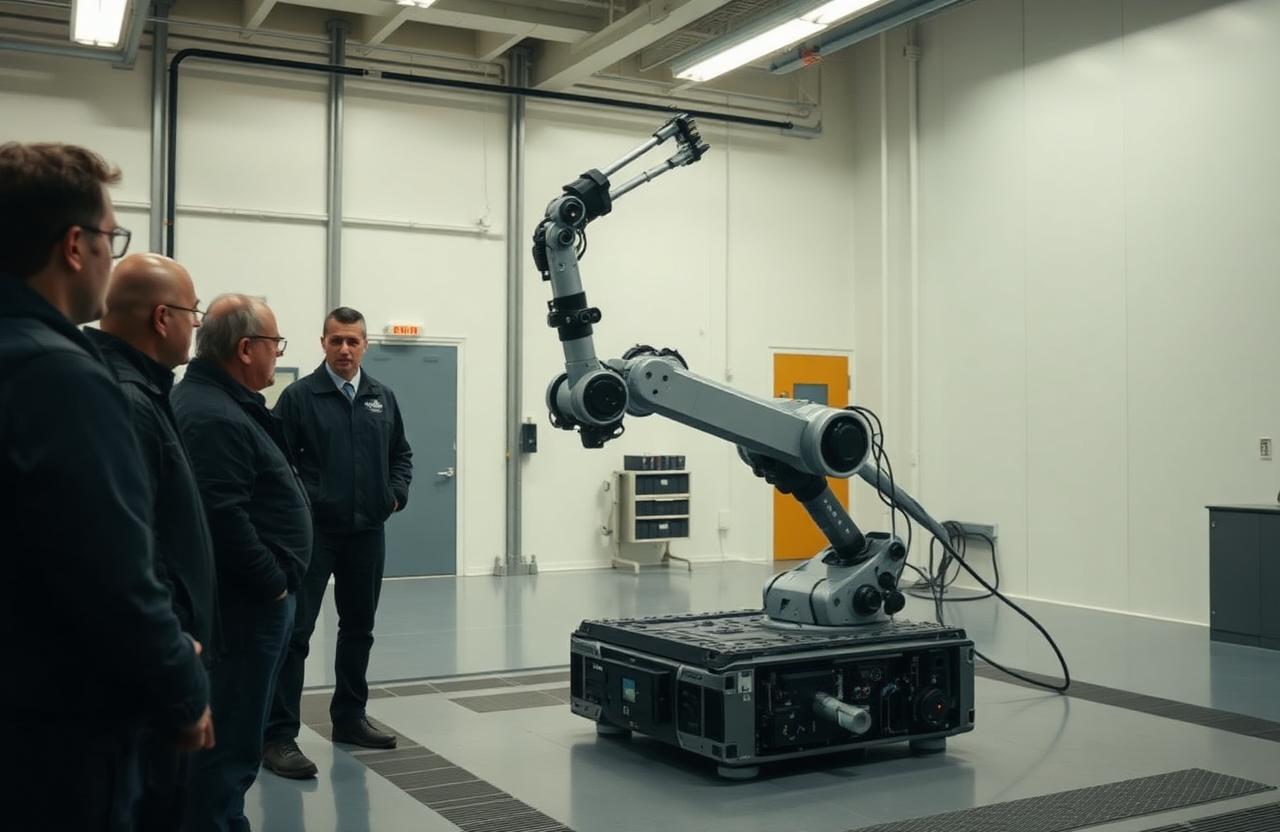
Open-ended innovation intake supporting discovery of emerging technologies, novel capabilities, and mission-relevant capabilities.
Structured discovery outputs supporting evaluator coordination, capability exploration, mission relevance assessment, follow-on engagement decisions.
Is This Aligned With The Opportunity?
Researchers and innovators often approach opportunities through the lens of their existing expertise and solutions. Early alignment assessment helps translate technical ideas into the outcomes, impact, and value that matter to customers, stakeholders, and sponsors—before investing heavily in proposal development or commercialization.
SBIR/STTR Alignment Intake
SBIR/STTR applicants, translational founders, research startups
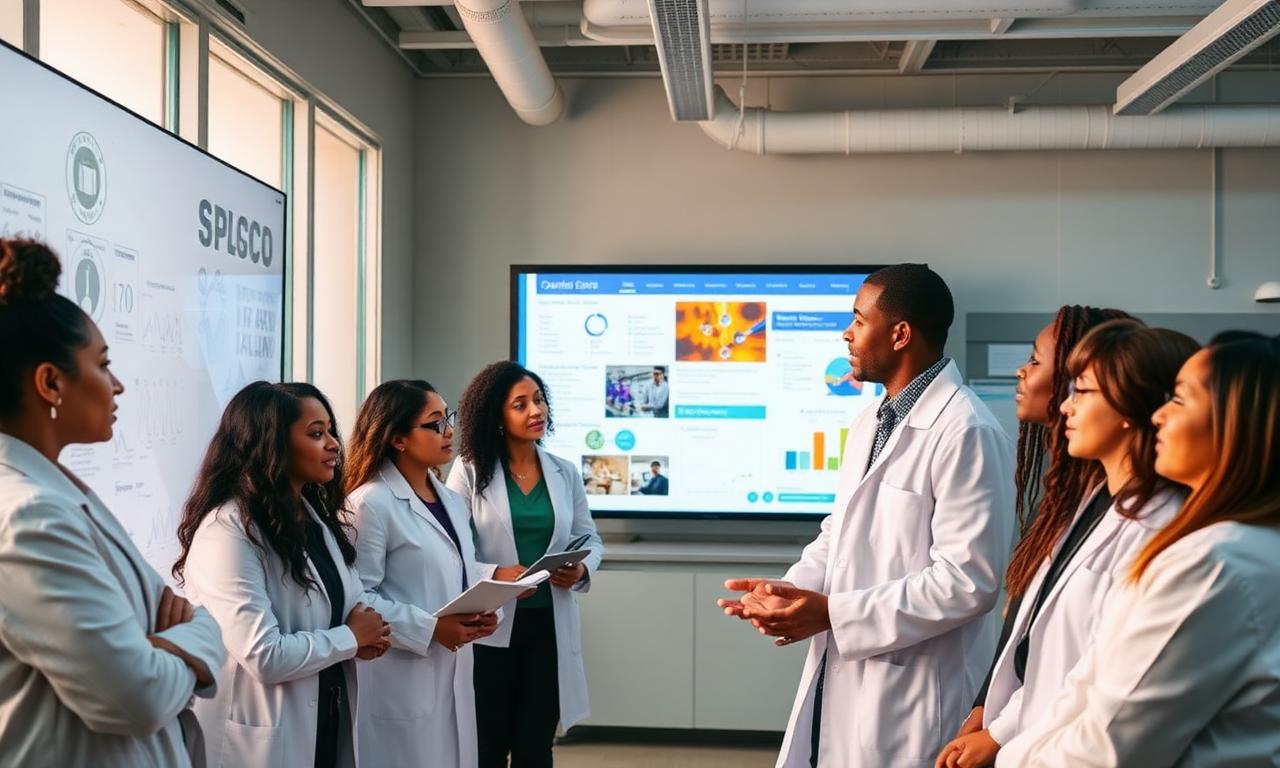
Opportunity-guided intake supporting: solicitation alignment, customer relevance, commercialization framing, proposal positioning
Alignment-oriented outputs supporting proposal positioning, readiness refinement, and strategic development.
Problem-Finding and Solution Alignment
Innovation teams, customer discovery programs, translational initiatives

Structured strategic alignment outputs supporting: stakeholder communication, positioning decisions, customer discovery synthesis, strategic refinement.
Structured alignment outputs supporting: strategic refinement, stakeholder communication, value proposition refinement, positioning decisions.
Am I Ready For Expert Review?
Researchers and innovators benefit from individualized proposal development between generalized grant-writing training and expert or Red Team review. Fast, iterative proposal-readiness feedback supports continuous development while helping scarce mentors and expert reviewers focus their attention on higher-value critique.
NSF CAREER Project Framing
Early-career faculty, research development offices, proposal mentors.

Guided proposal development supporting: integrated research and education vision, project framing and positioning, mentoring and iteration, early-stage proposal refinement.
Structured coaching and readiness outputs supporting: mentoring discussions, proposal refinement, developmental feedback, submission preparation.
Proposal Readiness & Red Team Review
Faculty, proposal teams, research development offices

Adaptive coaching and proposal refinement supporting strategic framing, execution clarity, reviewer anticipation, and proposal stress testing.
Structured Red Team evaluation outputs supporting: readiness assessment, competitive risk identification, refinement prioritization, go/no-go decision support.
Will This Meet Operational Requirements?
A compelling idea must also become an executable project. Structured research and project planning helps teams test technical requirements, evidence, resources, dependencies, and execution before committing to a proposal or implementation.
Technical Design Challenge
Mission organizations, technical evaluators, operational stakeholders

Requirement-constrained intake focused on: technical feasibility, operational fit, mission relevance, transition readiness.
Structured technical assessment outputs supporting: requirement matching, capability evaluation, evaluator coordination, prioritization decisions.
Planning & Execution
Faculty teams, proposal leads, translational researchers, research development offices
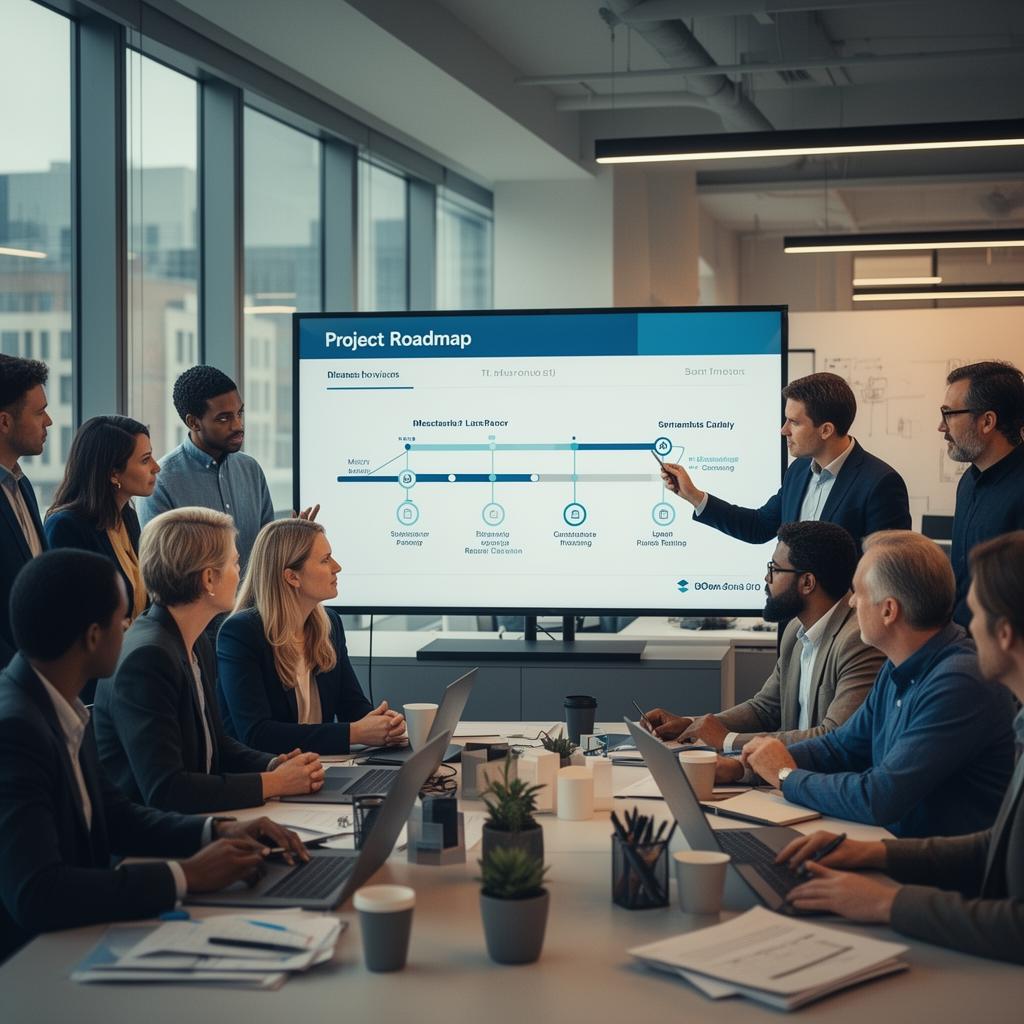
AI tools supporting readiness assessment, success criteria, MVP iteration, milestone generation, risk assessment, timeline creation, and a project execution strategy roadmap.
Structured outputs supporting readiness matrices, execution scenarios, risk frameworks, project timelines, and planning artifacts.
Which Submissions Should We Prioritize?
Institutions want their strongest, best-aligned opportunities competing for limited funding. Structured proposal evaluation helps leaders compare submissions against sponsor requirements and institutional priorities, use reviewer expertise more consistently, and concentrate support where it can improve competitiveness.
Limited Submission Evaluation
Universities, limited submission committees, research development offices

Structured proposal intake supporting: internal competition, strategic framing, institutional review, submission readiness.
Comparative evaluation outputs supporting: constrained selection, committee deliberation, portfolio comparison, prioritization decisions.
Investment Readiness Screening
Investors, accelerators, venture studios, early-stage funding networks

Structured founder workflow supporting market articulation, differentiation, execution framing, and opportunity positioning.
Structured investor screening outputs supporting: early-stage evaluation, opportunity comparison, diligence prioritization, pipleine triage.
State Economic Development Challenge
Economic development organizations, regional innovation initiatives
Structured proposal intake supporting: regional impact articulation, funding alignment, economic relevance, innovation framing.
Strategic evaluation outputs supporting: comparative review, funding recommendations, regional impact assessment, portfolio prioritization.
Angel Network Venture Prioritization
Angel investors, regional networks, venture studios, early-stage funding groups

Structured venture intake workflow supporting customer validation, market demand, differentiation, scalability assessment, and investment readiness signals.
Comparative screening outputs supporting opportunity evaluation, evidence-gap identification, portfolio prioritization, diligence triage, and next-step investment decisions.
Ecosystem Discovery
Not every ecosystem challenge begins with a technology or technical solution. Structured, interactive stakeholder discovery helps organizations gather perspectives, needs, and emerging signals across communities and other non-STEM environments without imposing technology-specific evaluation criteria. Discovery-oriented environments focused on gathering stakeholder insight, surfacing ecosystem needs, and deepening community signal.
Community Insight Intake
Mission-driven organizations, community initiatives, stakeholder ecosystems

Open-ended stakeholder intake supporting: lived experience sharing, community voice collection, ecosystem understanding, mission-oriented discovery.
Structured ecosystem insights supporting: community understanding, stakeholder coordination, priority identification, mission-driven decision-making
Contact us with any questions.
New to PITCH? Learn more about the PITCH approach
Choosing a plan? Compare Memberships
Ready to Shape a Challenge?
Whether you're building a challenge, supporting a team, or preparing for one, PITCH helps shape stronger signal before important decisions.